
LEX News
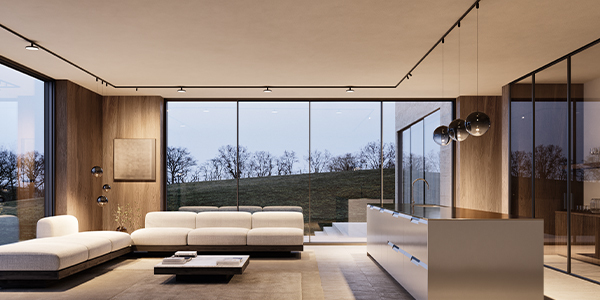
Dual Mode Type A+B Selectable LumenChoice® + SpectraChoice™ Tubes
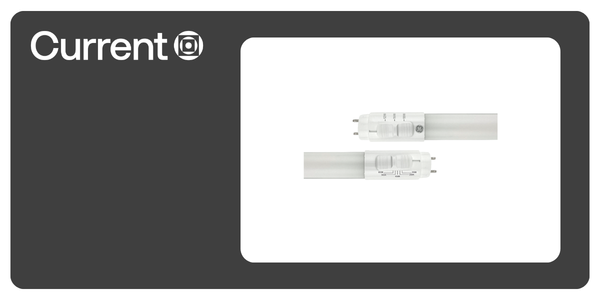
Selectable Tubes offer flexibility to be used in either Type A (ballast driven) or Type B (ballast bypass) applications, now in LumenChoice® + SpectraChoice™
Your Guide To Residential Lighting
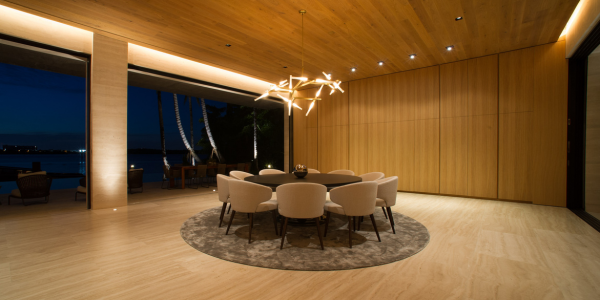
When designing a residential space, comfort and functionality should always be at the top of the list. The right lighting brings those elements together, creating an environment that feels intuitive, inviting, and unique. Boca Lighting | Controls offers integrated lighting and control solutions that elevate ambiance and make every space feel like home.
Lumination® Flex Downlights
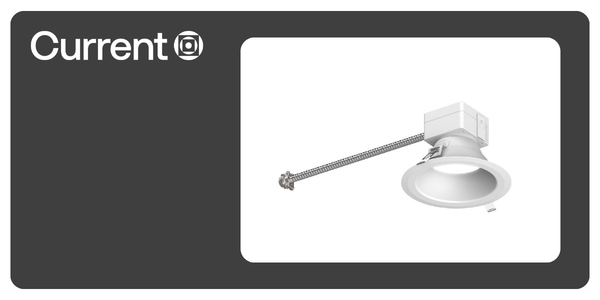
Flex Downlights provide the right general illumination solutions for both commercial and light commercial spaces including higher ceiling applications at an affordable price.
One, Three, Four, Five… However You Light It!
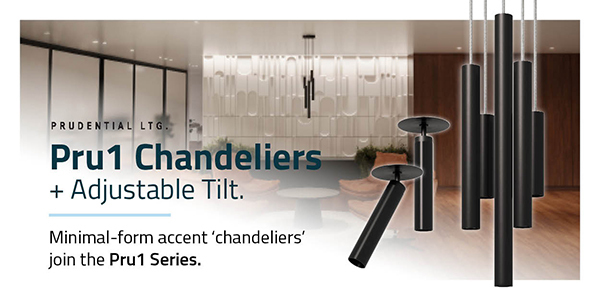
The Pru1 Series is expanding with a new way to put accent lighting exactly where you want it. Minimal-form accent cylinders are available individually or grouped in striking 3-, 4-, and 5-cylinder chandelier configurations. Clean, compact, and highly configurable, Pru1 brings focused illumination and refined design together in one versatile family.