


The Biophilic Case for Botanical Lighting: What Living Plants Actually Do to a Room
Codes & Compliance | September 25, 2026 | The Lighting Exchange
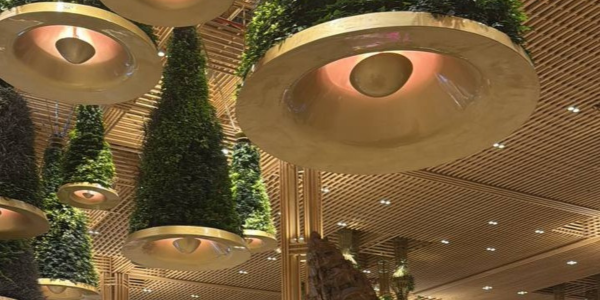
A botanical fixture is doing more work than its silhouette suggests — the living plants integrated into it are actively producing oxygen and moderating humidity under the light powering them, which means the fixture is functioning as a design object and a small piece of environmental infrastructure at the same time.
What you'll find in this article: the actual mechanisms behind how living plants affect indoor air and comfort, what biophilic design research says about the wellbeing case, and how to think about botanical lighting as functional infrastructure rather than pure decoration.
Most lighting decisions are evaluated purely on how a space looks and how well it's illuminated. Botanical lighting adds a third variable most fixtures never touch: what the fixture is doing to the air and atmosphere of the room it's in, independent of whether anyone notices.
The actual mechanism: photosynthesis under lighting conditions
- Living plants continuously release oxygen through photosynthesis, a process that depends on adequate light exposure — which is exactly what a botanical luminaire is already providing
- This isn't a passive design flourish; it's an active biological process happening on a schedule tied to the fixture's own light cycle
- The specific volume of oxygen produced scales with plant mass and light exposure, so a larger botanical installation with more foliage does measurably more of this work than a single small accent piece
Humidity and indoor microclimate
- Plants contribute to natural humidity regulation through transpiration, releasing moisture into the surrounding air as part of their normal function
- In interiors with dry, conditioned air — common in commercial HVAC environments — this can meaningfully soften the harshness of artificially dried air, particularly in larger installations
- This effect is genuinely cumulative with plant mass, which is part of why large-scale botanical installations in hospitality and office settings are increasingly specified with density in mind, not just visual coverage
What biophilic design research actually says about wellbeing
- The integration of natural elements into built environments has been associated in design and wellness research with reduced stress and improved comfort — a body of thinking generally referred to as biophilic design
- The theory behind it is straightforward: humans evolved in natural environments, and built environments that reintroduce natural elements — greenery, natural light, organic form — tend to register as more comfortable and less fatiguing over extended time in the space
- Botanical lighting sits at a genuine intersection of this research: it's simultaneously a light source, a design object, and a piece of biophilic infrastructure, doing three jobs a single potted plant or a single pendant fixture would otherwise do separately
Where this functional case matters most
- High-tech offices — environments already optimizing for occupant wellbeing and cognitive performance, where biophilic elements are increasingly part of the design brief, not an afterthought
- Hospitality — spaces where guest comfort and atmosphere directly affect perceived quality, and where a living, breathing design element reinforces a sense of considered luxury
- Large-scale installations — the biophilic benefit scales with plant mass, so genuinely large botanical compositions do meaningfully more environmental work than a single small pendant
What a specifier should know
- Plant selection affects both aesthetic and functional performance — different species vary in oxygen output, humidity contribution, and light tolerance, so composition choice isn't purely visual
- Adequate light exposure is required for the photosynthesis process to actually occur at a meaningful rate — a botanical fixture in a chronically underlit corner won't deliver the same functional benefit as one properly exposed to its own light cycle
- Maintenance access matters for a fixture that's also a living system — confirm how plant care and replacement is handled for an installation, since this differs meaningfully from maintaining a purely decorative fixture
Botanical lighting asks to be evaluated on a genuinely different axis than most fixtures — not just how it looks, but what it's quietly doing to the air of the room it's lighting, every single day it's switched on.
FAQ
Does botanical lighting genuinely improve air quality, or is that overstated? The underlying mechanism — plants producing oxygen through photosynthesis and contributing to humidity through transpiration — is real and well established; the scale of the effect depends on plant mass and density, so a larger installation does more measurable work than a small accent piece.
Do the plants need special care to keep producing this benefit? Yes — adequate light exposure and appropriate species selection both affect how much oxygen and humidity benefit a composition actually delivers, so ongoing plant health is functionally, not just aesthetically, important.
Is biophilic design just a trend, or is there real research behind it? There's a genuine and growing body of design and environmental psychology research connecting natural elements in built spaces to reduced stress and improved comfort — it's an established design principle, not just current styling.
Does this benefit apply to a single small botanical pendant, or only large installations? The mechanism scales with plant mass, so while any living plant contributes something, a large-scale composition delivers a meaningfully greater functional effect than a single small accent fixture.
How does maintenance differ for a botanical fixture versus a standard pendant? A botanical fixture includes a living element that needs appropriate light, occasional care, and periodic plant health monitoring — confirming the maintenance plan for a specific installation, since it involves genuine plant care alongside standard electrical maintenance.
Other News Content by:
Cerchio Lighting
The Globe Collection: Murano Glass, Shaped by Breath
Featured Products | August 18, 2026 | The Lighting ExchangeCrystal Pendants: Where Engineering Meets Light
Featured Products | July 10, 2026 | The Lighting Exchange